Buying a Home? Here's How to Check for Warmth, Insulation and Hidden Moisture Issues
Finding a home you love is exciting, but it's important to look beyond the fresh paint, stylish furniture and street appeal. A property that feels warm, dry and well-maintained can make a huge difference to your comfort, ongoing costs and long-term investment.
When you're attending open homes or private viewings, here are some key things to check before making an offer.
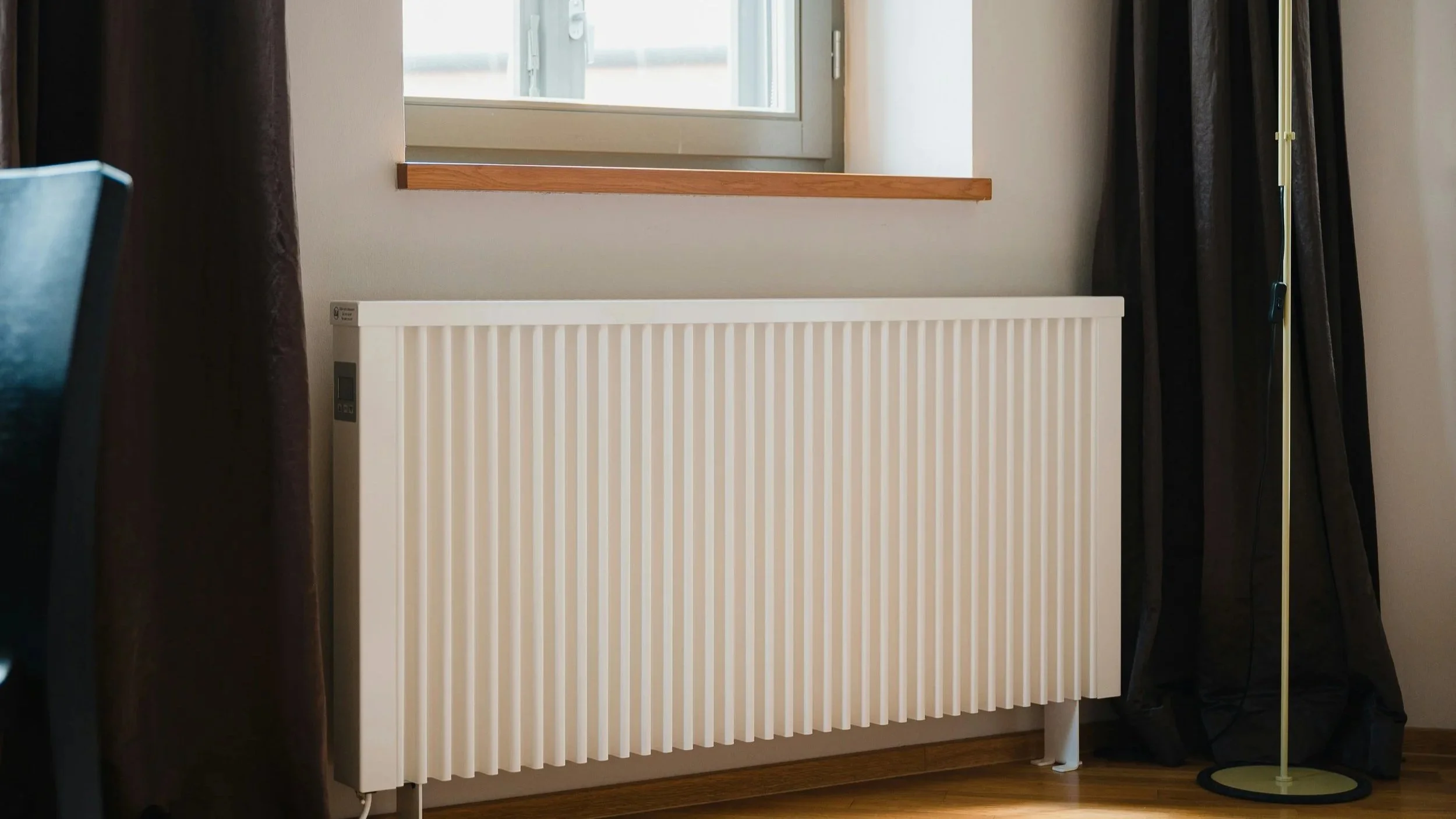
1. Ask About the Heating
A good heating system can make all the difference during the colder months.
Find out:
What type of heating is installed (heat pump, ducted system, wood burner or electric heating).
Whether it's suitable for the size of the home.
When it was last serviced or replaced.
An efficient heating system not only keeps your home comfortable but can also help reduce energy costs.
2. Check the Insulation
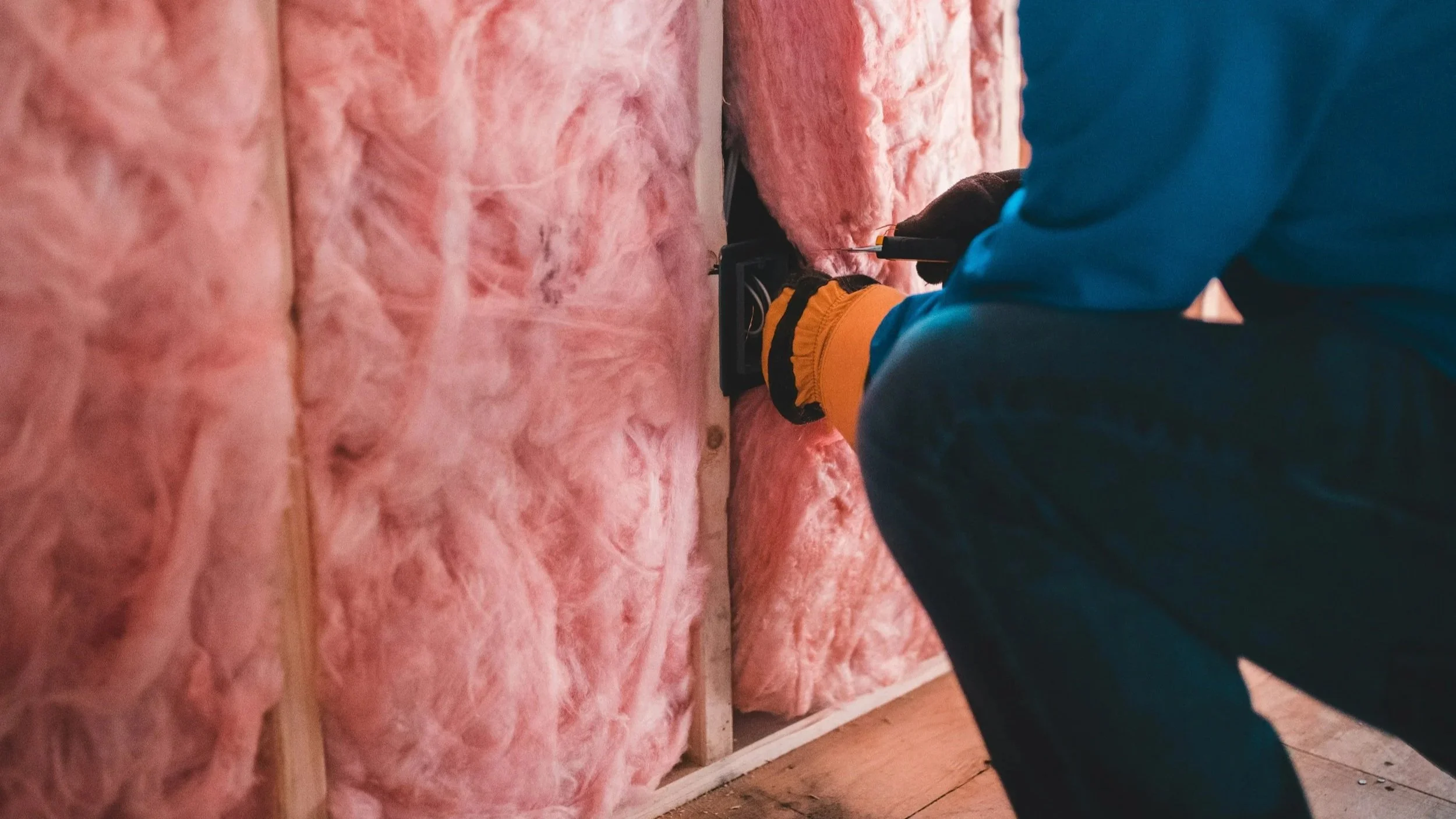
Insulation helps keep warmth inside during winter and prevents excessive heat in summer.
Ask whether the home has:
Ceiling insulation
Underfloor insulation (where applicable)
Wall insulation
Double glazing, triple glazing or insulated windows
If you're buying an older property, it's worth asking whether any insulation upgrades have been completed over the years.
3. Look for Signs of Moisture
Moisture isn't always obvious, so it's worth taking a closer look throughout the home.
Keep an eye out for:
Musty or damp smells
Water stains on ceilings or walls
Bubbling or peeling paint
Mould around windows, bathrooms or wardrobes
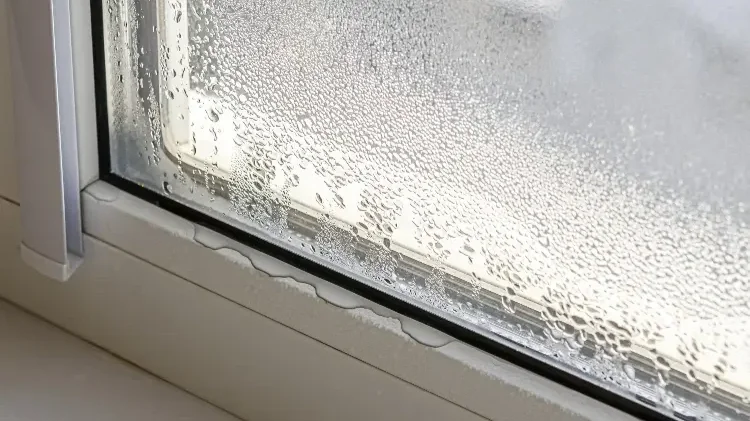
Condensation on windows
While these signs don't always indicate a major issue, they can point to poor ventilation, leaks or excess moisture that may need further investigation.
4. Pay Attention to How the Home Feels
As you walk through the property, take notice of how the home feels. Even on a cool day, a well-insulated home should feel comfortable rather than cold or damp. Pay attention to any draughts around windows and external doors, as gaps in seals can allow warm air to escape and cold air to enter. While these issues are often straightforward to fix, they can indicate that the home hasn't been updated in some time.
5. Check for Draughts
Heat can easily escape through gaps around windows and doors.
Look for:
Worn window seals
Gaps beneath external doors
Cold air coming through window frames
These issues are often inexpensive to fix, but they're still worth factoring into your decision.
6. Inspect Moisture-Prone Areas
Bathrooms, laundries and kitchens deserve a closer inspection, as these are naturally high-moisture areas. Check that extractor fans are present and appear to be in good working order, and look for signs of mould in grout, peeling paint or soft flooring around showers and baths. If you have the opportunity, it's also worth looking outside to see whether gutters are clear, downpipes direct water away from the home and the ground slopes away from the foundations. Good drainage plays an important role in preventing moisture issues over the long term.
7. Ask the Right Questions
Don't be afraid to ask questions during an open home.
Some good ones include:
Has the property experienced any leaks or water damage?
Have there been any insulation upgrades?
What type of heating is installed?
Are there any known maintenance issues?
What are the average power costs during winter?
These conversations can provide valuable insight into the home's condition and future running costs.
A Comfortable Home Is More Than Just Looks
A beautiful kitchen or modern bathroom might catch your eye, but a home that is warm, dry and energy-efficient will often provide greater comfort in the years ahead. By taking the time to check the heating, insulation and signs of moisture, you'll be in a stronger position to make a confident and informed decision.
If you're unsure what to look for during a viewing, your real estate professional can help guide you through the process and answer any questions along the way. A little extra attention during your inspection today could save you time, money and stress in the future.